Introduction
In today's quickly advancing food sector, companies are seeking lasting services to meet the expanding demand for quality foodstuff while decreasing their ecological impact. Contract food manufacturing has actually become a sensible alternative for business looking to outsource their manufacturing requires while preserving control over item growth and quality control. This post explores the concept of contract food manufacturing in Australia and its function in advertising sustainability within the food industry.
The Increase of Contract Food Manufacturing in Australia
Understanding Contract Food Manufacturing
Contract food production is a tactical collaboration between a brand name owner as well as an agreement supplier, where the latter generates goods in support of the previous. This setup permits brand owners to focus on advertising, item growth, and also distribution while leveraging the experience as well as resources of specialized contract manufacturers.
Benefits of Contract Food Manufacturing
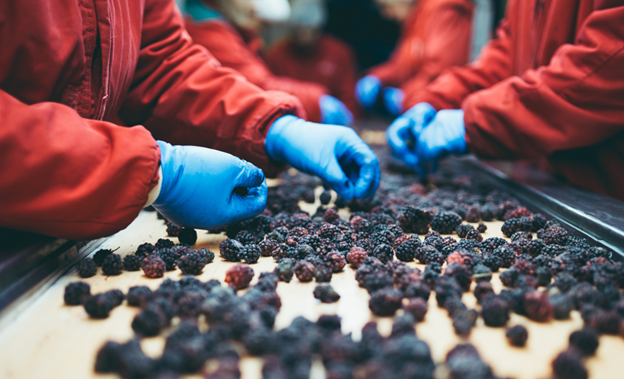
Cost Performance: Contract food manufacturing removes the need for substantial capital investments in framework, devices, and also manpower. This cost-saving action permits brands to allocate their sources towards various other essential locations of service growth. Scalability: As demand for a certain product fluctuates, contract makers can swiftly readjust production levels to fit market needs. This versatility guarantees that brands can meet customer demand without excess inventory or wastage. Expertise and also Advancement: Contract makers frequently possess extensive understanding and also experience in details food categories or processes. By teaming up with these experts, brands can take advantage of their creativity as well as harness ingenious remedies for product development and improvement. Quality Assurance: With rigid quality assurance actions in position, contract manufacturers abide by industry criteria and regulatory requirements. This commitment to quality ensures that brand names supply risk-free and top quality items to customers consistently. Supply Chain Administration: Contract food manufacturing simplifies the supply chain by combining production, packaging, labeling, and circulation under one roofing. This integrated technique minimizes logistical intricacies and enhances overall operational efficiency.The Environmental Impact of Agreement Food Manufacturing
Reducing Carbon Footprint
Contract food manufacturing offers possibilities to lower the ecological effect of food manufacturing through various means:
Efficient Source Use: Agreement makers maximize source consumption by implementing energy-saving practices, decreasing water use, and reducing waste generation. These lasting measures add to a lower carbon footprint throughout the entire production process. Locally Sourced Active ingredients: By sourcing components from regional suppliers, contract producers reduce transport distances and linked emissions. This method supports regional economies while advertising sustainability within the supply chain. Eco-Friendly Packaging: Agreement food producers stress using environment-friendly packaging materials, such as eco-friendly or recyclable alternatives. This commitment to sustainable packaging lowers waste as well as promotes accountable consumption.Embracing Eco-friendly Energy
Contract food manufacturing centers in Australia are significantly taking on renewable resource resources to power their procedures. Photovoltaic panel, wind turbines, and also various other tidy energy remedies help reduce dependence on fossil fuels and add to a greener future for the industry.
Addressing Sustainability Challenges in Agreement Food Manufacturing
Waste Management and Reusing Initiatives
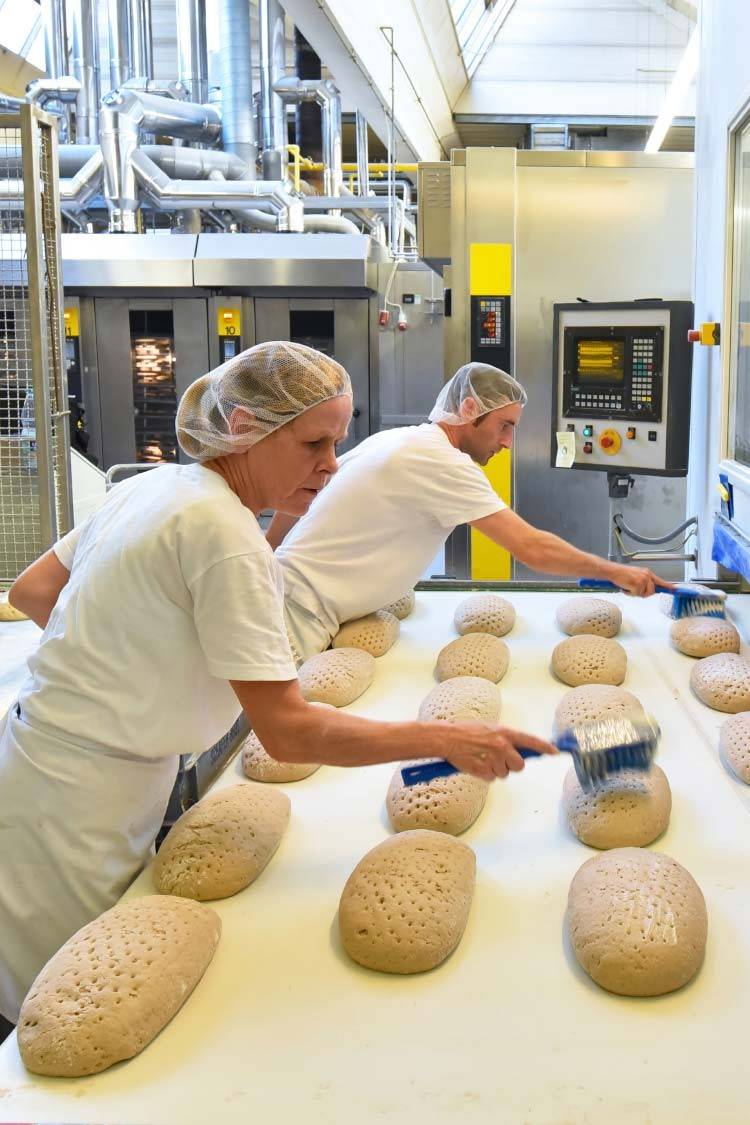
Contract food manufacturers focus on waste administration via extensive recycling programs and also waste decrease strategies. By applying reliable waste segregation systems, business can divert substantial amounts of waste from land fills and advertise a round economy.
Water Preservation Measures
Water scarcity is an international problem, as well as contract food suppliers play their part in resolving this obstacle. Firms invest in water-saving modern technologies, such as sophisticated purification systems and also water reuse efforts, to decrease their freshwater consumption.
Collaboration with Sustainable Suppliers
Contract food manufacturers proactively look for partnerships with distributors committed to lasting practices. By focusing on ecologically conscious distributors, these companies ensure that their entire supply chain lines up with sustainability goals.
FAQs
What is contract food manufacturing? Contract food manufacturing describes the outsourcing of food production to specialized suppliers that create items in support of brand name owners.
How can contract food manufacturing benefit services? Contract food manufacturing supplies cost efficiency, scalability, competence, and quality control to brand names aiming to concentrate on advertising as well as distribution.
How does contract food manufacturing advertise sustainability? By enhancing source usage, embracing renewable resource, and applying waste monitoring and also recycling initiatives, contract food manufacturing decreases its ecological impact.
What are some sustainable product packaging alternatives in contract food manufacturing? Environmentally friendly packaging materials such as eco-friendly or recyclable alternatives are generally made use of in contract food manufacturing to minimize waste.
How do contract food producers preserve water? Agreement food manufacturers buy water-saving modern technologies as well as execute water reuse campaigns to minimize their freshwater consumption.
What role does partnership with sustainable distributors play in contract food manufacturing? By partnering with ecologically aware distributors, agreement food manufacturers guarantee that their whole supply chain aligns with sustainability goals.

Conclusion
food and beverage market researchContract food production offers a sustainable service for organizations looking for to fulfill the expanding demand for high quality food products while decreasing their environmental influence. By leveraging the experience of customized suppliers and also taking on green practices, brand names can add to a greener future for the Australian food market. Accepting sustainability not only profits the atmosphere however additionally boosts brand name credibility as well as consumer count on a progressively mindful market.